October 20, 2026
Fences serve multiple purposes, ranging from enhancing privacy and security to adding aesthetic value to a property. They help set boundaries and can also protect pets and children. Before installing a fence, homeowners must assess their needs, understand local regulations, and determine a suitable material that aligns with their budget and the landscape.
1. Understanding Different Types of Fences
1.1. Wooden Fences
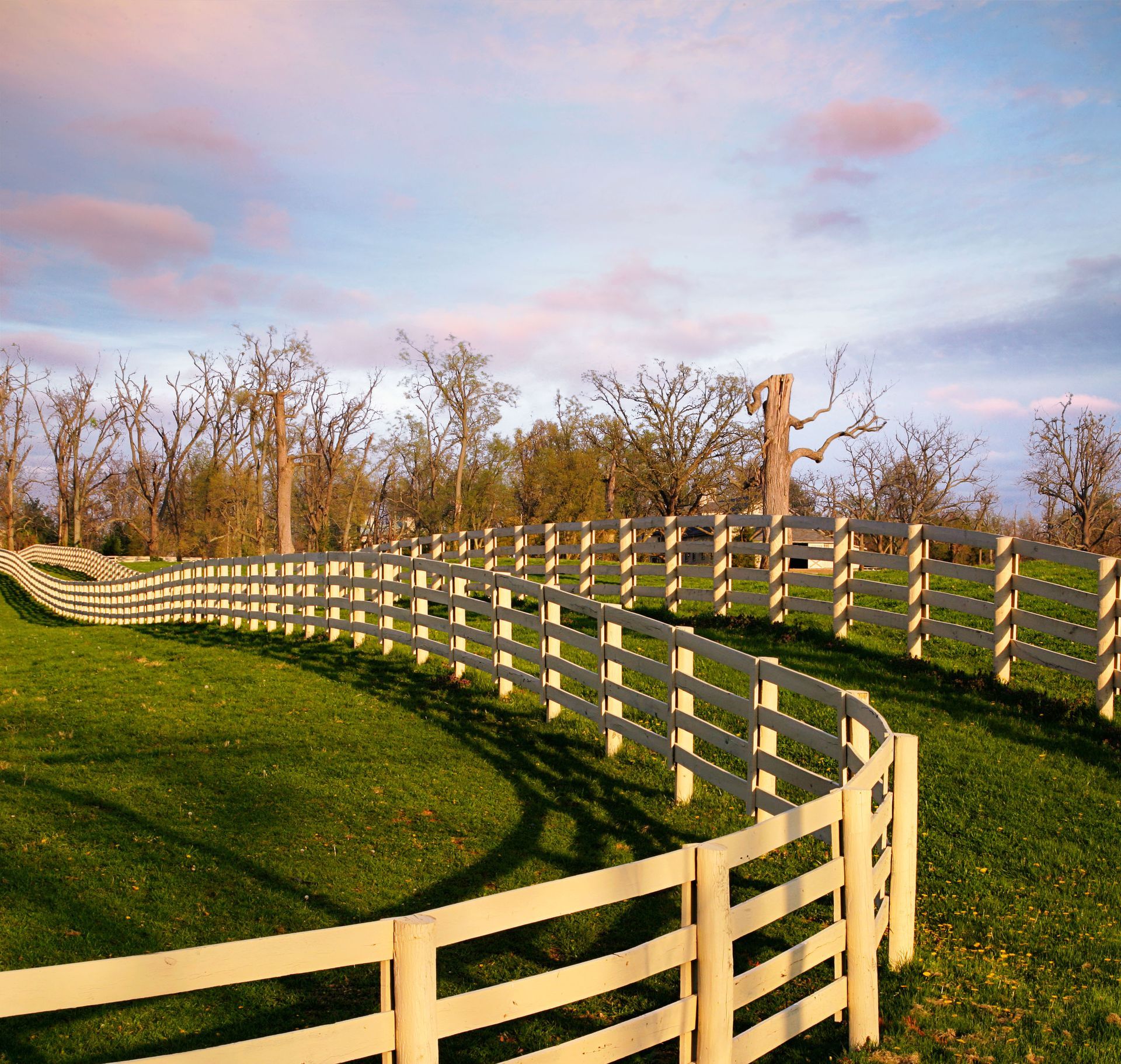
Wooden fences are classic choices for many homeowners due to their natural look and customizable options. They can be stained or painted to match a home's exterior, providing an aesthetically pleasing boundary. Despite their beauty, wooden fences require regular maintenance to prevent rotting, warping, or insect damage. Cedar and redwood are popular wood choices due to their durability and resistance to decay. Choosing the right type of wood can significantly impact the longevity and effectiveness of your fence.
1.2. Vinyl Fences
Vinyl fences have grown in popularity due to their low maintenance requirements and variety of styles and colors. Unlike wood, vinyl does not rot and requires no painting, making it a practical, long-lasting option. The initial cost of a vinyl fence can be higher than wood, but the lack of ongoing maintenance costs makes it more cost-effective over time. Vinyl fences provide a clean, modern appearance and are an excellent choice for those seeking both durability and style. However, extreme weather conditions can sometimes cause the material to crack or warp.
1.3. Chain Link Fences
Chain link fences are a cost-effective way to secure a property without blocking views. They are made of galvanized steel, which provides strong resistance to weather elements and requires minimal maintenance. According to Forbes, a chain link fence lasts between 15 and 20 years on average, making it a durable option for many applications, such as enclosing backyards, playgrounds, and parking lots. While they offer less privacy than other options, they can be paired with privacy slats or climbing plants to increase coverage. Their affordability and versatility make them a common choice among homeowners and businesses alike.
1.4. Metal Fences
Metal fences, especially those made of aluminum or wrought iron, offer strong physical security and a long lifespan. Wrought iron provides a historical and prestigious look but requires regular painting to prevent rust. Aluminum, in contrast, is rust-resistant and lightweight, requiring less maintenance while still providing the appearance of wrought iron. Both types of metal fences can be customized with decorative designs, making them an attractive option for traditional and modern homes. Metal fences tend to be costlier than other materials, but their durability can justify the investment.
2. Planning and Design Considerations
2.1. Purpose and Functionality
The primary purpose of installing a fence plays a significant role in deciding its style and material. For those seeking privacy, a taller fence made of solid materials like wood or vinyl might be appropriate. In comparison, those focused on security may prioritize materials known for their strength, such as chain link or metal. Furthermore, fencing that serves as an aesthetic boundary might prioritize design and blending in with the surroundings. Understanding your primary needs will help streamline the decision-making process and ensure the fence serves its intended purpose efficiently.
2.2. Property Lines and Regulations
Before breaking ground, it's important to verify property lines to avoid disputes with neighbors. Hiring a surveyor can provide precise boundaries and prevent potential legal issues. Additionally, local regulations may impose restrictions on fence height, material, and placement to maintain community standards and safety. Always check with your local zoning office or community association to ensure compliance and verify if permits are required. Understanding regulations upfront saves time and resources and fosters good relations with neighbors and authorities.
2.3. Aesthetic Appeal
A fence's design should complement the architecture of the home and its surroundings. Choosing colors, textures, and styles that enhance the property's overall appearance contributes to curb appeal and property value. Consideration should also be given to any existing landscaping elements; integrating the fence with natural features like trees and plants can create a harmonious look. Customizable options in wood treatments or metal designs allow homeowners to express personal style while maintaining functionality. Achieving the desired aesthetic can be a collaborative process with designers or contractors to realize a vision that enhances the property's charm.
2.4. Height and Length Requirements
Understanding the height and length requirements for a new fence is critical, as it impacts both functionality and compliance with local codes. Privacy fences typically stand six feet tall, while pool safety fences have specific height and gated enclosure regulations. When considering length, ease of installation and cost become critical factors, as longer fences require more materials and labor. Additionally, discussing height and layout plans with neighbors can preempt any disputes or dissatisfaction from the community perspective. Adjustments in design to meet these requirements ensure a harmonious relationship with local ordinances and neighborly expectations.
3. Material Selection and Cost Analysis
3.1. Comparing Longevity and Durability
Material selection significantly affects a fence's lifespan and its resistance to various environmental challenges. Metal fences, particularly those made of aluminum or galvanized steel, offer robust protection against rust and extreme weather, ensuring longevity. Wooden fences, while aesthetically pleasing, require periodic maintenance, such as sealing and painting, to remain durable. Comparatively, composite fences provide long-lasting solutions with minimal upkeep needs. Evaluating the longevity of each material helps homeowners make informed decisions that align with their budget and environmental circumstances.
3.2. Environmental Impact
Environmental considerations are increasingly important in material selection. Wood, while natural, may not be sustainably harvested, leading to deforestation concerns. Composite and vinyl options utilize recycled materials, offering alternatives with lower environmental footprints. Metal, especially aluminum, can be recycled, lending to sustainability efforts, though the energy-intensive production processes must also be taken into account. Choosing eco-friendly materials, or those with smaller environmental impacts, contributes positively to global sustainability efforts while satisfying functional fencing needs.
3.3. Cost-Effectiveness
Cost plays a substantial role in determining which materials align with a homeowner's budgetary constraints. Wooden fences may have lower initial costs but incur ongoing maintenance expenses. Vinyl and composite fences, with higher up-front investments, often pay off due to low repair costs and longevity. It is essential to evaluate both the initial installation costs and the long-term financial implications of upkeep and repairs when conducting a comprehensive cost analysis. Understanding short- and long-term financial implications is crucial in selecting the best material for installation.
3.4. Maintenance Needs
Different materials require varying levels of maintenance, impacting both cost and time investment in the longer term. Wooden fences, while beautiful, need regular inspections for rotting, staining, and potential insect infestation. In contrast, vinyl and metal fences are prized for their low maintenance requirements, requiring only occasional cleaning to maintain their appearance. Ensuring that fence maintenance aligns with a homeowner’s lifestyle can prevent neglect and preserve the structure's integrity and visual appeal. By understanding and accommodating maintenance needs upfront, homeowners can select materials that suit their capabilities and lifestyle.
In conclusion, selecting and installing a fence involves numerous considerations, from material selection to understanding legal implications. Each decision impacts functionality, aesthetics, and harmony within the neighborhood. By analyzing these aspects carefully, homeowners can choose a fence that meets their needs and enhances their property for years to come. Conducting further research may be beneficial and engaging professionals can ensure a successful project outcome. The time and effort invested in making the right fencing choice will ultimately reflect in a home's value, security, and curb appeal. Be sure to reach out to Accurate Concrete and Fence today to learn more about our professional fence installations!