November 20, 2026
No two properties have exactly the same architecture, outdoor space, privacy concerns, and access needs. A fence that suits a compact backyard may feel out of place around a sprawling ranch-style home. Neighbors can need different solutions when one wants a secluded patio and another hopes to preserve an open view. Fence design therefore involves more than choosing a material and marking a boundary.
By considering how a property looks and functions, custom fence builders can create boundaries that feel connected to their surroundings. They bring practical requirements and personal preferences into one design, helping a fence serve its purpose without appearing like an afterthought.cus
Start With the Property's Purpose
The most useful design decisions begin with a question: What should the fence accomplish? A homeowner may want backyard privacy, a designated area for pets, or a garden boundary without enclosing the entire yard. A commercial property may emphasize controlled access and perimeter security. Each purpose changes what a successful design looks like.
Custom fence builders use those priorities to inform decisions about height, visibility, materials, and layout. A solid privacy fence may suit a gathering area, while an open rail fence can define a larger landscape without hiding its surroundings. The right choice depends on how the owner intends to use the space.
Identifying the primary purpose also helps prevent competing goals from undermining one another. A fence selected solely for its appearance may not provide the desired privacy, while a tall, uninterrupted barrier may feel unnecessarily imposing in an open setting.
Let the Property Shape the Layout
A fence should relate to the land it surrounds, not trace an arbitrary pattern. Outdoor living areas, driveways, gardens, and existing boundaries influence where sections belong. A thoughtful configuration makes separate spaces easier to recognize while creating a coherent property design.
When a property has several outdoor zones, one fencing style may not suit them all. An enclosed backyard can provide separation for relaxation, while a more open front-yard treatment preserves a welcoming appearance. A garden enclosure may need its own proportions instead of extending the main perimeter into every corner.
Changes in ground elevation also deserve attention. Sloping terrain affects how fence lines appear and how consistently they follow the landscape. When custom fence builders account for these conditions in a proposed configuration, the completed boundary can look more intentional and better suited to the property.
Local requirements can shape the layout as well. Fence placement and height may be subject to applicable rules, and some projects require permits. Addressing these considerations during design connects the owner's preferred look with what can be installed. It also helps keep the proposed boundary aligned with its intended purpose.
Choose Materials That Complement the Architecture
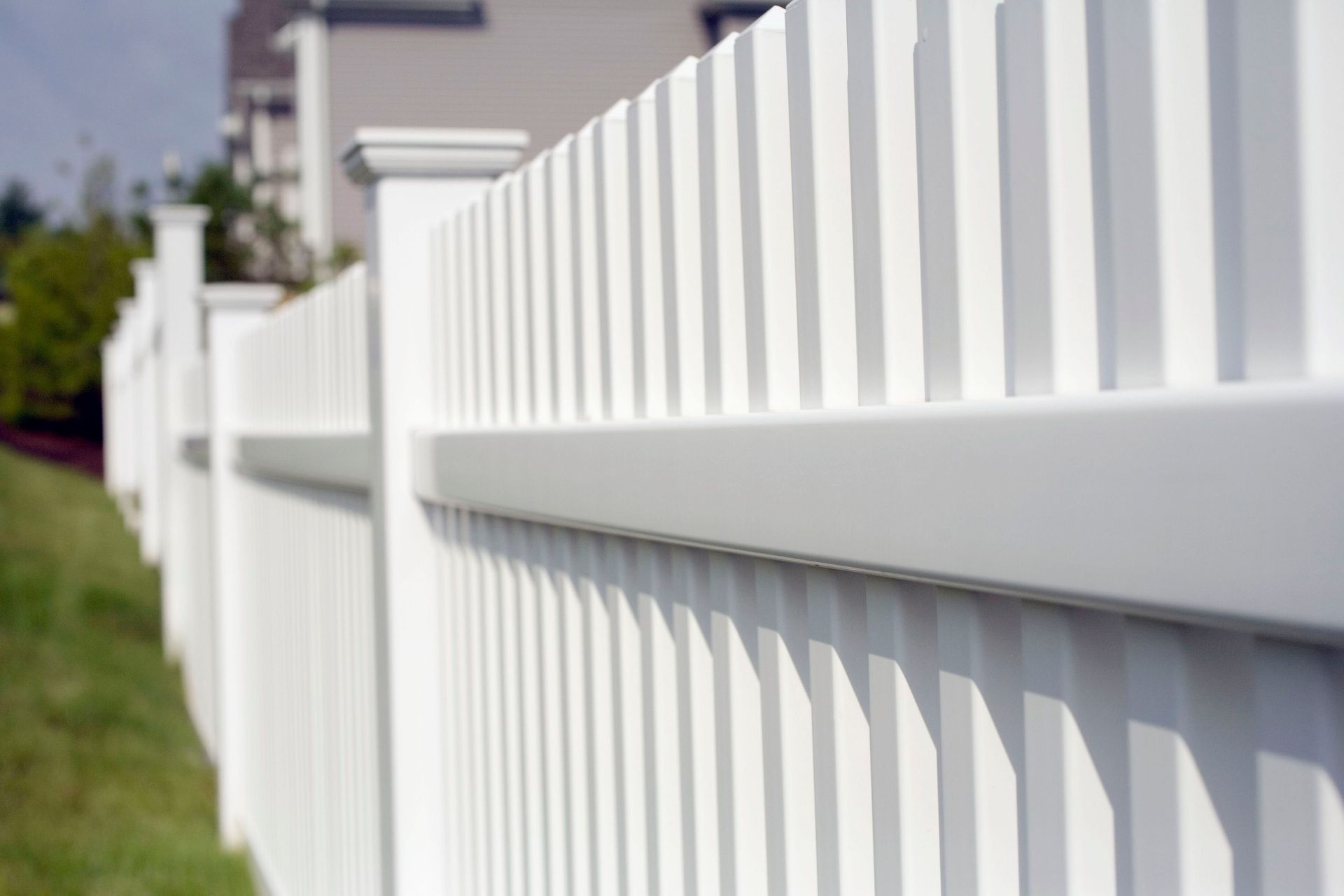
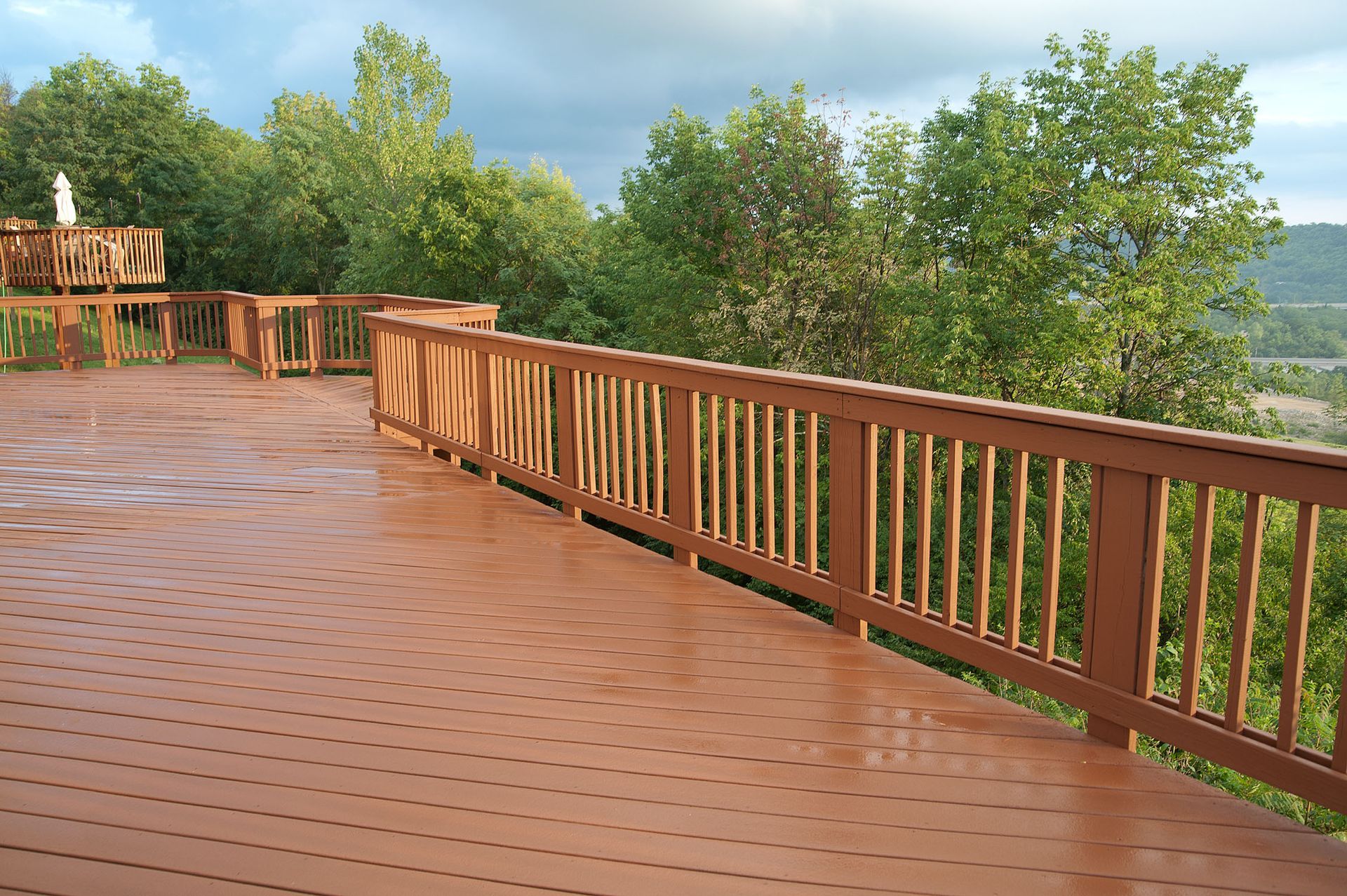
Material selection has a strong influence on a fence's visual character. Wood offers a familiar, warm appearance that can suit traditional homes and landscaped backyards. Vinyl presents a clean, uniform look and resists rot and warping. Aluminum provides a lighter visual profile with rust-resistant qualities, while ornamental iron can introduce more defined decorative detail.
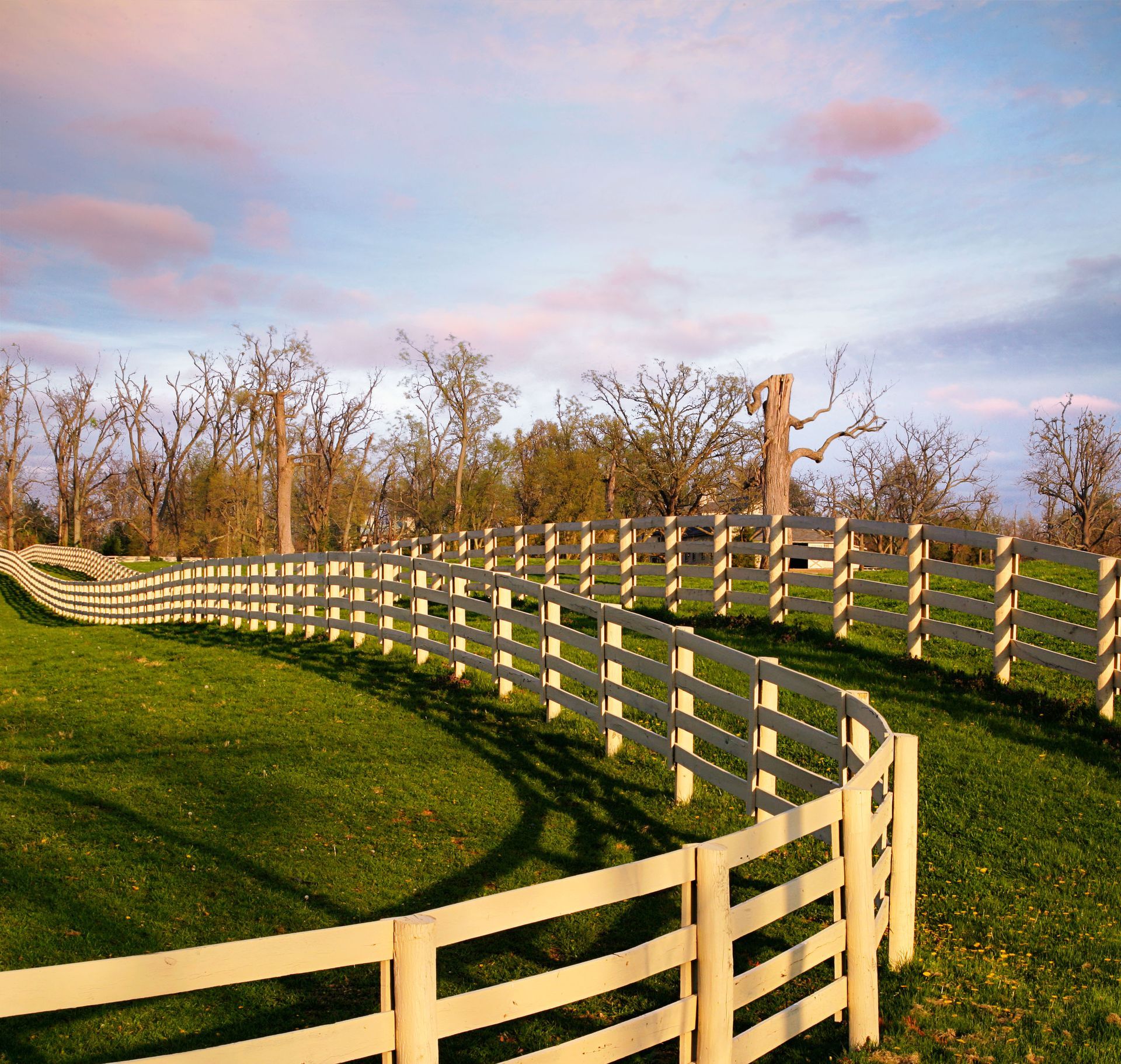
Materials need not match every exterior feature, but they should complement the building's proportions and landscape. A classic picket design may reinforce a traditional home's character. Ornamental fencing can establish a formal boundary, while rail fencing suits broad properties where openness is part of the appeal.
Configuration can change the impression of the same material. Closely arranged sections create enclosure, while open designs reveal more of the home or landscape. These choices shape the property's appearance as much as the material itself.
Find the Right Balance Between Privacy and Visibility
Privacy does not mean every part of a property must be hidden. Homeowners may want separation around patios or spaces for quiet relaxation. Elsewhere, maintaining sightlines helps a property feel open and connected to its surroundings.
Solid privacy fencing blocks direct views into a designated area and can help reduce noise. By contrast, chain-link, rail, and ornamental fencing define spaces without creating the same visual barrier. Selecting between them requires an understanding of where screening is useful and where an unobstructed view is an advantage.
This distinction becomes especially important when one property serves several purposes. A secluded area for outdoor gatherings can coexist with a more visible entrance or garden. Rather than treating the entire boundary as one uniform design problem, custom fence builders can approach each area according to its function while keeping the overall appearance cohesive.
Make Gates Part of the Design
A fence's most frequently used feature may be its gate. That makes access an important consideration from the beginning, especially when a property has multiple entrances or different needs for pedestrians and vehicles. A well-positioned gate should fit the way people actually move through the space.
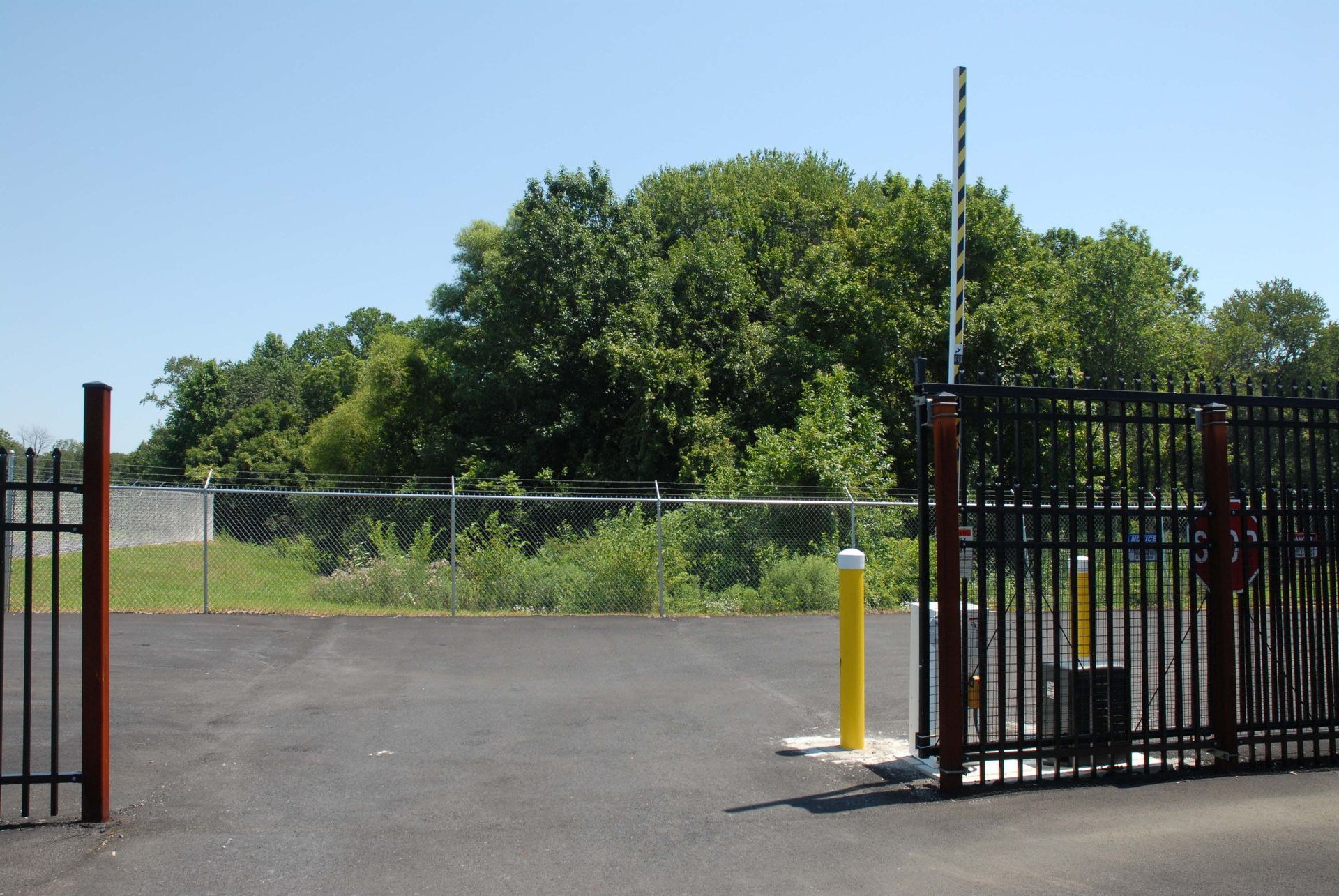
For a residential yard, a walk-through gate can connect an enclosed area to the rest of the property. A driveway entrance has a different purpose and may call for an automated gate configuration. On commercial properties, gates can contribute to the controlled access that a secure boundary is intended to provide.
Placement influences how convenient an entrance feels. A pedestrian gate should make sense in relation to the areas it connects, while a driveway gate needs to fit the property's vehicle access.
Visual continuity matters, too. A gate that complements its adjoining fence appears integrated rather than added later. Custom fence builders can bring the elements together by considering access and appearance as parts of the same design.
Adapt the Design to Special Use Areas
Some properties contain spaces that need their own type of enclosure. A dog run, for instance, calls for a secure boundary that keeps pets contained while allowing visibility and airflow. A garden fence serves a different role: protecting plants from animals while still looking appropriate within the landscape.
Swimming pools introduce another set of considerations. Pool fencing must satisfy applicable safety requirements, and a design that maintains clear sightlines can support visibility around the water. Security fencing places greater emphasis on a durable perimeter intended to discourage unwanted entry. Agricultural fencing, meanwhile, may need to enclose livestock or establish boundaries across a large property.
Customization is about function as well as appearance. A garden enclosure should not automatically resemble fencing around a pool or commercial site. For custom fence builders, understanding each area's use helps distinguish necessary features from decorative preferences.
Think About Durability From the Beginning
An attractive fence must also suit the demands placed on it. Sun exposure, weather, and everyday use all affect material selection. Because materials differ in maintenance requirements, appearance and upkeep should be considered together.
According to HomeGuide, a properly maintained wrought-iron fence can endure for roughly five to ten decades, placing it among the longest-lasting residential fencing options. That potential longevity matters when an owner wants a substantial decorative boundary to remain a defining property feature. Maintenance remains necessary, but material choice can influence how the design ages.
Vinyl offers a different advantage through its resistance to rot and the absence of a painting requirement. Aluminum appeals to owners looking for a rust-resistant option. The best fit depends on the desired style, level of enclosure, and expectations for care rather than a single measure of durability.
Distinctive fence design comes from understanding how a property is used and what makes it visually unique. When function and appearance guide the same decisions, the finished boundary becomes a natural part of the property rather than merely its edge. At Accurate Concrete and Fence LLC, we work with property owners on custom-designed fencing and gates that reflect their needs and preferences. We can discuss the possibilities for your space and provide a free estimate.