November 19, 2026
Protecting a commercial property involves more than securing doors and installing surveillance equipment. Businesses also need to consider how people and vehicles enter, exit, and move throughout their outdoor spaces. A properly designed security fence creates a physical boundary that helps discourage unauthorized access while making it easier to manage daily activity. Whether a property includes a warehouse, office building, industrial facility, or storage area, fencing can provide an additional layer of protection. The right design can also help separate restricted areas from spaces intended for employees, customers, and visitors. Working with experienced commercial fence contractors allows property owners to evaluate their security requirements and select an appropriate fencing solution. From controlling entry points to improving visibility, security fencing can support several important aspects of property management. Understanding these benefits can help businesses make informed decisions about protecting their facilities.
Establishing Clear Property Boundaries
A security fence creates a visible boundary that identifies where private commercial property begins and ends. This distinction can help prevent visitors, pedestrians, and unauthorized individuals from accidentally entering restricted areas. Clearly defined boundaries are particularly important for businesses with large outdoor spaces, parking areas, equipment storage, or loading zones. Without appropriate fencing, it may be difficult to communicate which areas are accessible to the public and which require permission to enter. A well-positioned fence helps establish expectations before someone reaches a building or restricted section of the property. It can also make it easier for employees and security personnel to recognize unusual activity near access points. Businesses should consider property dimensions, existing structures, and daily traffic patterns when planning fence placement. A properly installed perimeter provides a foundation for other access control measures.
Controlling Entry and Exit Points
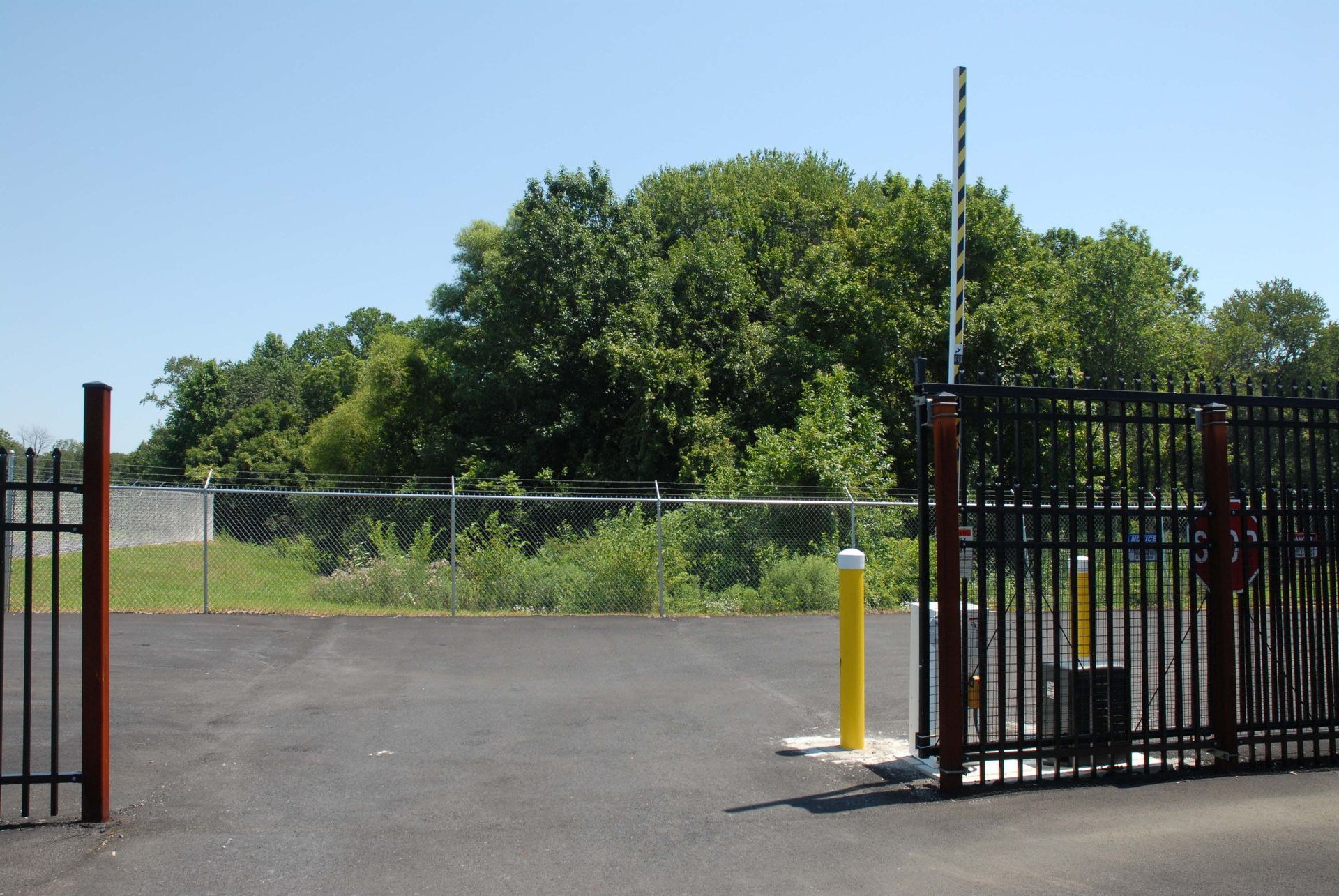
Managing access is one of the most practical advantages of installing security fencing around a commercial property. Instead of allowing people to approach a facility from multiple directions, businesses can designate specific entrances and exits. Gates can be positioned to accommodate employees, visitors, delivery vehicles, and authorized service providers. Depending on the property's needs, access may be managed through locks, keypads, access cards, or other entry systems. Commercial fence contractors can help determine where gates should be placed to support security without interfering with normal operations. Businesses should also consider how emergency vehicles and authorized personnel will access the property when necessary. Separating pedestrian entrances from vehicle access points may improve organization at facilities with frequent traffic. These measures help create a more controlled environment while maintaining convenient access for approved individuals.
Discouraging Unauthorized Property Access
A physical barrier can make it more difficult for unauthorized individuals to enter a commercial property without being noticed. Security fencing establishes an obstacle between public areas and valuable equipment, inventory, vehicles, or other business assets. The design and height of the fence should reflect the level of protection required for the location. According to The Spruce, chain link fencing intended for security should be at least six feet tall, providing a useful reference when evaluating perimeter protection options. Businesses may also consider features such as restricted gate access, secure locking systems, and fencing materials suited to their environment. Although no fence can guarantee that trespassing or theft will never occur, a properly selected barrier can discourage casual entry. Combining fencing with lighting, cameras, and routine property inspections can provide additional security support. Evaluating potential access vulnerabilities helps businesses choose a design that addresses their specific concerns.
Protecting Equipment and Business Assets
Many commercial properties contain valuable assets that need protection outside normal business hours. Construction materials, machinery, company vehicles, tools, and stored inventory may be vulnerable when left in open areas. A security fence helps separate these items from public spaces and limits opportunities for unauthorized access. Businesses can also use interior fencing to create secured storage sections within a larger property. This can be especially useful when certain employees need access to specific equipment while other individuals do not. The fence design should account for the size and type of assets being protected, as well as the surrounding environmental conditions. Durable materials and properly secured gates help maintain the barrier's usefulness over time. Regular inspections can identify loose connections, damaged sections, or other issues that may weaken the perimeter. Protecting outdoor assets can help businesses reduce avoidable losses and maintain better control over their property.
Improving Employee and Visitor Safety
Security fencing can contribute to a safer environment by separating different activities and restricting access to potentially hazardous areas. Industrial facilities, warehouses, and construction-related properties may contain heavy machinery, vehicle routes, electrical equipment, or material storage zones. Keeping visitors and unauthorized personnel away from these areas can reduce the likelihood of accidental exposure to workplace hazards. Fencing can also help direct employees and visitors toward designated walkways and approved entrances. Businesses should consider visibility when choosing materials, especially in areas where employees need to monitor activity on the other side of the barrier. Commercial fence contractors can help assess the layout and identify fencing options that balance separation with practical site visibility. Gates should be positioned so authorized individuals can move safely without crossing vehicle paths unnecessarily. When incorporated into a broader safety plan, fencing can help support a more organized commercial environment.
Maintaining Visibility Across the Property
Visibility is an important consideration when selecting a security fence for a commercial facility. Some businesses need solid barriers for privacy, while others benefit from designs that allow employees and security personnel to see beyond the perimeter. Chain link fencing is often considered for locations where maintaining an open line of sight is useful. It allows staff to observe activity around the property without creating a completely enclosed visual barrier. This can be beneficial for parking areas, equipment yards, and facilities that require regular monitoring. Businesses should also evaluate how fencing interacts with existing security cameras, outdoor lighting, and landscaping. Overgrown vegetation or poorly positioned structures can create hidden areas that make monitoring more difficult. Choosing a suitable design helps businesses maintain awareness of their surroundings while establishing a physical boundary.
Supporting Long-Term Property Management
Security fencing should be considered a long-term property improvement rather than a temporary solution. Material selection, installation quality, maintenance requirements, and exposure to weather can all influence how well a fence performs over time. Businesses should evaluate whether their chosen materials are appropriate for the property's climate and intended use. Metal fencing may offer durability for certain commercial applications, while other materials may better suit specific privacy or appearance requirements. Routine inspections can help identify corrosion, loose posts, damaged gates, and other maintenance concerns before they become more significant. Property owners should also review access arrangements when employee responsibilities or facility operations change. Experienced commercial fence contractors can help businesses consider these practical requirements during the planning process. A well-maintained fence can continue supporting access control and property protection for years.
Strengthening Your Commercial Property Security
A security fence can improve commercial property protection by establishing boundaries, controlling access, discouraging unauthorized entry, and separating hazardous areas. Selecting the right design requires careful consideration of the property's layout, security concerns, traffic patterns, and maintenance needs. Businesses should also think about how fencing will work alongside existing security systems and daily operations. A professional installation can help ensure that gates, posts, and fence sections are positioned to serve their intended purpose. Regular maintenance is equally important for preserving the condition and effectiveness of the barrier. Accurate Concrete and Fence LLC can help businesses explore fencing options that support their property requirements. Contact our commercial fence contractors to discuss your project and take the next step toward improving access control and property protection.